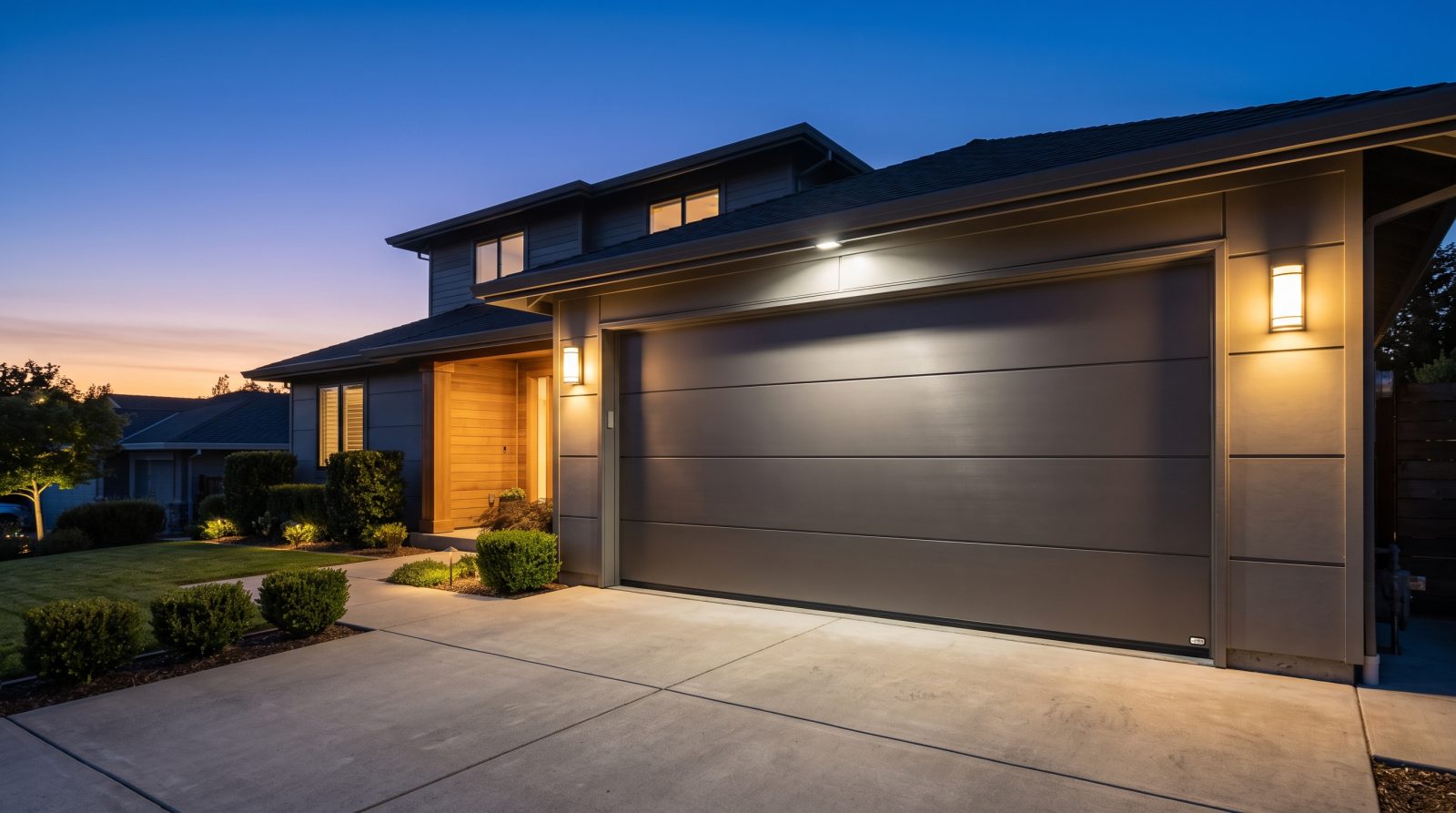
How Garage Break-Ins Actually Happen
Before you can secure a garage, it helps to understand how intruders get in, because the Hollywood image of a pried-open door is the least common method. The most frequent garage entries are quiet, fast, and rely on the door and opener being left in their factory-default, convenience-first state.
Knowing these patterns tells you where to spend your effort. You do not need to fortify against every imaginable attack, you need to close the three or four doors that are actually standing open.
- The 'coat hanger' release: On many automatic doors, a thin tool slipped through the top weather gap can hook the emergency release cord and disengage the opener, letting the door roll up by hand. This is the classic attack on an attached garage.
- Remotes left in cars: A garage remote clipped to a visor in a car parked in the driveway, or in an unlocked car on the street, is a literal key to your house. Vehicle break-ins are common, and the remote is often the real prize.
- The interior man-door: Once inside the garage, an intruder is hidden from the street and can work on the door into the house with no neighbors watching. A weak interior lock undoes all your front-door security.
- Side and rear service doors: Older San Diego garages, especially in alley-served neighborhoods, often have a separate walk-in door with a worn deadbolt or a window that has never been reinforced.
- An open door, plain and simple: A garage left open while you are in the backyard or out front is the easiest opportunity of all, and forgetting to close it is the most common mistake we hear about.
Lock Down the Opener and Emergency Release
Your opener is the brain of an automatic door, and a few quick changes make it dramatically harder to defeat. Start with the emergency release, the red cord that hangs from the trolley. It exists so you can open the door manually during a power outage, but it is also the target of the coat-hanger attack described above.
You can shield the release without disabling it. A release-cord shield or a simple zip-tie-and-bracket setup keeps a fishing tool from snagging the cord while still letting you pull it by hand from inside in an emergency. A mobile technician can fit and test this so you do not accidentally lock yourself out of the manual release. If your opener is more than fifteen or twenty years old, it may also use a fixed code that modern scanners can capture, whereas current openers use rolling-code technology that changes the signal every time. Upgrading an aging opener is one of the highest-value security moves available, and it usually improves reliability at the same time.
Habits matter as much as hardware here. Treat the opener like a key, because that is exactly what it is.
- Install a release-cord shield or guard, then confirm you can still pull the manual release from inside.
- Switch to keychain remotes instead of visor clips, and never leave a remote in a car parked outside.
- Use the opener's vacation or lock mode (a wall-button lockout on many units) when you travel, which disables the remotes entirely.
- If your opener predates rolling-code technology, plan to replace it, fixed-code units are a known vulnerability.
- Add or activate motion-sensing lights and the opener's built-in light timer so the door area is never dark at night.
Reinforce the Door Into Your House
For attached garages, the door between the garage and the living space is your real last line of defense, and it is almost always the weakest part of the whole chain. Builders frequently hang a lightweight, hollow-core door here with nothing but the latch on the knob. An intruder who is already hidden inside the garage can pop that in seconds.
Upgrading this door pays off more than almost anything else you can do. A solid-core or steel exterior-grade door, a real deadbolt, and a reinforced strike plate with three-inch screws driven into the wall framing turn a five-second breach into a loud, time-consuming problem that most intruders will not attempt. Because this door connects an unconditioned garage to your home, building code in California also requires it to be fire-rated and self-closing, so any upgrade should respect those requirements, an upside is that fire-rated doors are inherently more solid than a basic interior slab. Keep this door locked even when you are home. People lock the front door religiously and leave the garage-to-house door wide open, which defeats the purpose.
While you are at it, look at the garage's own walk-in service door if it has one. Add a quality deadbolt, reinforce the strike, and treat any window in or beside it as a vulnerability to be covered or upgraded.
- Replace a hollow interior door with a solid-core or steel, fire-rated, self-closing door.
- Add a deadbolt and a reinforced strike plate secured with long screws into the framing, not just the jamb.
- Keep the garage-to-house door locked as a default, even during the day.
- Upgrade or add a deadbolt on any separate garage service door and reinforce its strike plate.
- Cover, frost, or reinforce garage windows so nobody can see your belongings or reach an interior latch.
Smart Tech and Everyday Habits for San Diego
Hardware closes the obvious gaps, but awareness closes the rest, and modern smart-garage features make that far easier. A smart opener or an add-on controller will alert your phone when the door opens or closes and will let you shut it remotely, which directly solves the most common problem in our service area, the door accidentally left open while you are at the beach, on a hike, or stuck in commuter traffic. Many systems can also auto-close after a set time and log every open-and-close event so you know exactly what happened and when.
Local conditions shape what makes sense here. Garages in coastal neighborhoods like Ocean Beach, Pacific Beach, and Point Loma take a beating from salt air, which corrodes locks, hinges, and opener hardware over time, a sticky deadbolt or a rusted strike is a security weakness, not just an annoyance. Inland communities such as Chula Vista, El Cajon, and Escondido often have larger, multi-car garages with side yards that give an intruder cover, so motion lighting and a secured service door matter more. In older alley-served areas of neighborhoods like North Park and City Heights, the rear-facing garage is out of sight from the street, which raises the value of cameras and a solid interior door. Whatever your neighborhood, pair the tech with simple discipline.
None of this requires a major renovation. Small, consistent habits backed by working hardware stop the overwhelming majority of opportunistic break-ins.
- Add a smart opener or controller so you get open or close alerts and can close the door from your phone.
- Turn on auto-close so the door never sits open for hours by mistake.
- Point a camera or a motion light at the driveway and at any side or alley approach.
- On the coast, service salt-corroded locks, hinges, springs, and openers before they seize or fail.
- Never share your garage code or a spare remote casually, and re-key or reset codes after you have had contractors or sold a car with a built-in opener.
- Do a quick monthly walk-around, check that the door seals fully to the ground, the release is shielded, the interior door locks, and the lights work.
When to Call a Mobile Garage Door Technician
Some security upgrades are weekend-project simple, and some are best left to a technician who can do them safely and verify they actually work. Garage door springs in particular are under extreme tension and cause serious injuries every year, so any work near the springs, cables, or the door's balance should go to a pro. The same goes for fitting an emergency-release shield without disabling your manual escape, or aligning a door so it seals fully against the floor with no gap for a pry tool.
Because we operate as a mobile, we-come-to-you service across the San Diego area, you do not move anything, we bring the tools and parts to your driveway. A typical security visit can cover tuning the door so it closes tight and balanced, shielding the release, testing or upgrading the opener to rolling code, reinforcing or replacing the interior door's strike, and walking you through your remotes and codes. Costs vary with the work involved, and as a general industry range a hardware-focused security tune-up tends to fall well under the cost of an opener replacement, while a full opener upgrade is the larger investment, we will give you a free quote up front so there are no surprises.
If your door is sagging, the opener is old, the release cord is exposed, or the door into your house is hollow with a weak lock, those are the signals to act before a break-in forces the decision. Reach out and request a free quote, and we will come to you, assess the door and opener on-site, and tell you honestly what is worth doing and what is not.
- Call a pro for anything involving springs, cables, or the door's balance, these are high-tension and dangerous.
- Have a technician fit and test a release-cord shield so it blocks tools but still works from inside.
- Get the door tuned to seal fully to the floor, eliminating the top and bottom gaps attackers exploit.
- Ask about upgrading a fixed-code opener to rolling code and adding smart open or close alerts.
- Same-day mobile service means we come to your San Diego home, no need to transport anything.